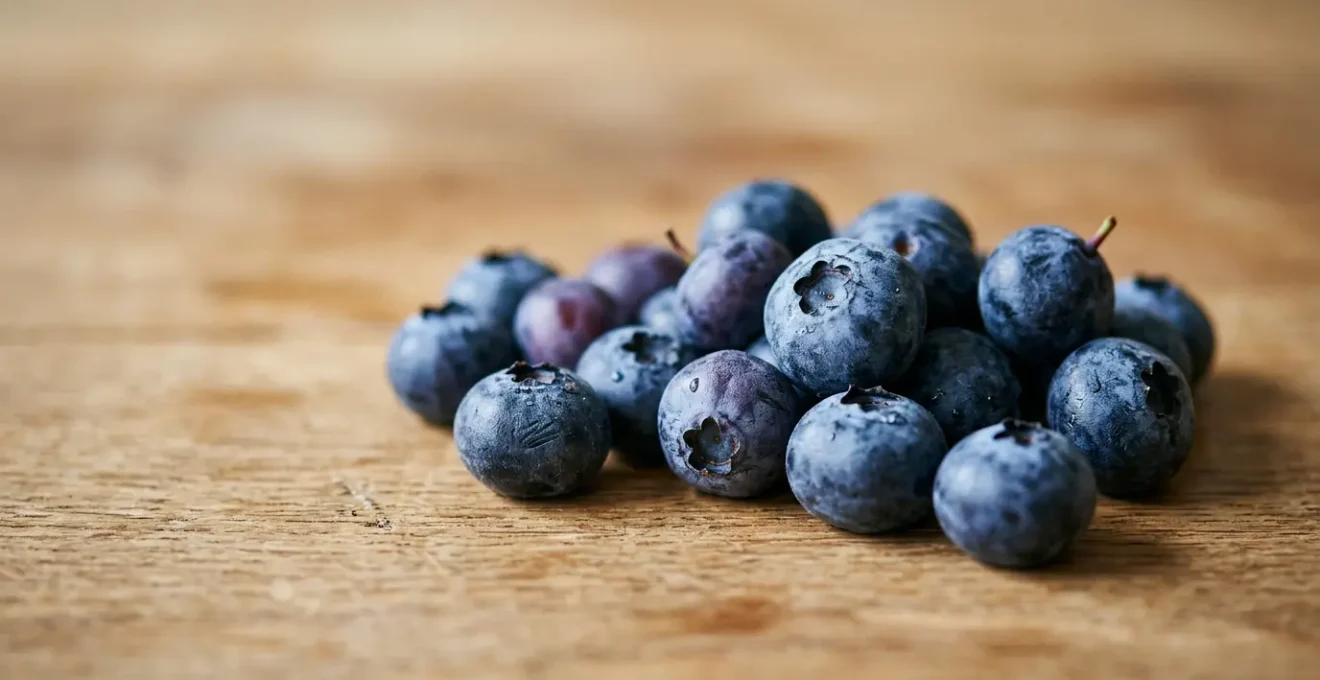
Wild blueberries offer superior neuroprotection not just by being antioxidants, but by acting as powerful signaling molecules that actively modulate the body’s core systems for brain health.
- Their concentrated anthocyanins are more effective at controlling insulin spikes, a key factor in preventing neuroinflammation.
- Freezing actually enhances the bioavailability of these compounds, making them more accessible to your body than fresh cultivated berries.
Recommendation: Prioritize daily, consistent consumption of frozen wild blueberries to leverage their unique biochemical properties for long-term cognitive and metabolic benefits.
In the quest for “brain food,” blueberries are consistently celebrated. We are told they are packed with antioxidants essential for memory and focus. This advice, while well-intentioned, often overlooks a critical distinction: the profound difference between common cultivated blueberries (the large, plump berries in most supermarkets) and their wild counterparts. From a functional food research perspective, this isn’t a minor detail; it’s the entire story.
The standard narrative focuses on the general antioxidant capacity, a concept often simplified to “fighting free radicals.” However, this barely scratches the surface. The true power of these plant pigments, especially the anthocyanins that give wild blueberries their deep, dark color, lies in their role as potent signaling molecules. They don’t just passively neutralize threats; they actively communicate with our cells, influencing genetic pathways, modulating metabolic responses, and even shaping our gut microbiome to support brain function.
But if the real mechanism is so much more complex, why is the conversation stuck on platitudes? The key is understanding that cultivated berries are bred for size, yield, and sweetness, inadvertently diluting their phytochemical concentration. Wild blueberries, hardened by harsher northern climates, produce a denser, more complex array of these protective compounds. This article moves beyond the simplistic “antioxidant” label to explore the specific, evidence-based mechanisms that make wild blueberries a superior tool for neuroprotection and cognitive enhancement. We will dissect how they manage insulin, why frozen is often better than fresh, and how they provide the raw materials your brain needs to repair and thrive.
This guide delves into the scientific rationale behind choosing wild blueberries. We will explore the mechanisms that empower them to protect your brain, from the immediate impact on blood sugar to the long-term modulation of your body’s internal defense systems.
Summary: The Neuroprotective Edge: Why Wild Blueberries Outperform Cultivated Varieties for Brain Health
- How to use berries to blunt the insulin spike of a high-carb meal?
- Fresh vs Frozen: which preservation method retains more antioxidants?
- Dark chocolate or Berries: comparing polyphenol density per calorie
- The quantity mistake: how many berries do you actually need for clinical benefits?
- Gut modulation: how polyphenols feed specifically beneficial bacteria strains
- Why chronic elevated insulin blocks the body’s repair processes?
- Neuroplasticity training: the specific activities that prevent cognitive atrophy
- How to Reduce Oxidative Stress Markers Through Daily Habits?
How to use berries to blunt the insulin spike of a high-carb meal?
One of the most immediate and powerful effects of berry polyphenols is their ability to modulate our response to carbohydrates. When you consume a high-carbohydrate meal, your blood glucose levels rise, prompting the pancreas to release insulin to shuttle that glucose into cells. A large, rapid spike in glucose and the subsequent insulin surge can, over time, lead to insulin resistance and inflammation—both detrimental to brain health. Wild blueberries, rich in anthocyanins, act as a metabolic buffer in this scenario.
The mechanism is twofold. First, certain polyphenols can temporarily inhibit digestive enzymes in the gut, slowing the breakdown of starches into simple sugars. This means the glucose enters your bloodstream more gradually, preventing a sharp peak. Second, and more importantly, the anthocyanins appear to improve the efficiency of glucose uptake, meaning less insulin is required to do the job. This is not just a theoretical benefit; a controlled crossover study found that consuming a mix of berries with white bread significantly reduced the post-meal insulin response. Further research in the British Journal of Nutrition demonstrates that adding berries to a sugary snack can lower the peak glucose increase by as much as 1.0 mmol/L.
Practically, this means strategically pairing a serving of wild blueberries with your morning oatmeal, toast, or even a dessert can significantly blunt the metabolic impact. You are not just adding nutrients; you are actively managing your body’s hormonal response to a meal, which has direct downstream effects on cognitive clarity and long-term brain health.
Fresh vs Frozen: which preservation method retains more antioxidants?
It’s a common assumption that “fresh is always best,” leading many to believe that fresh, cultivated blueberries from the produce aisle are nutritionally superior to their frozen, wild counterparts. In the case of anthocyanins and their bioavailability, this assumption is incorrect. While fresh berries are certainly healthy, freezing wild blueberries offers a distinct advantage that enhances their neuroprotective potential.
The key lies in the physical changes that occur during freezing. The formation of ice crystals within the fruit’s cellular structure perforates the cell walls. While this might sound destructive, it’s actually beneficial. This process, in essence, “pre-digests” the berry, breaking down the tough plant structures that would otherwise sequester the valuable anthocyanins. When you consume the thawed berries, these powerful pigments are more readily available for absorption in your digestive tract. This is the beginning of the bioavailability cascade: making the nutrient accessible is the first critical step.
Furthermore, concerns about nutrient degradation during freezing are largely unfounded for anthocyanins. Wild blueberries are typically flash-frozen at peak ripeness, locking in their phytochemical content. In fact, according to research from South Dakota State University, the anthocyanin concentration in frozen blueberries shows virtually no decrease even after three months of storage. This makes frozen wild blueberries a reliable, convenient, and potent source of brain-protective compounds year-round, often superior to the “fresh” cultivated berries that may have spent weeks in transit and storage.
Dark chocolate or Berries: comparing polyphenol density per calorie
When seeking polyphenol-rich foods, dark chocolate is often mentioned in the same breath as berries. It’s known for its flavanol content, a subclass of polyphenols with antioxidant properties. A quantitative comparison seems straightforward: which delivers more polyphenols for the fewest calories? On the surface, high-quality dark chocolate can be remarkably dense. For instance, a 2011 study published in Chemistry Central Journal found that some dark chocolates contain over 1,000 milligrams of polyphenols per serving, a figure that can surpass many berry servings.
However, a purely quantitative comparison is misleading. The type, complexity, and biological activity of the polyphenols matter far more than the total milligram count. Wild blueberries contain a uniquely diverse and concentrated profile of anthocyanins, which have been the subject of extensive research regarding their specific effects on neuroinflammation, glucose metabolism, and cognitive function. The polyphenols in cocoa are different, and while beneficial, their specific neuroprotective pathways are not as well-established.
This point is critical for a researcher. The body of evidence supporting berry anthocyanins for brain health is vast and specific. As noted by a review in *Frontiers in Immunology*, the scientific focus has been clear.
The majority of research has been conducted with polyphenols derived from soy, berries, wine, tea, and curcuma and much less from cocoa and chocolate.
– Magrone, Russo and Jirillo, Frontiers in Immunology – Cocoa and Dark Chocolate Polyphenols review
While dark chocolate is a valuable addition to a healthy diet, particularly for its cardiovascular benefits, wild blueberries should be considered the primary tool when the specific goal is cognitive support and neuroprotection. Their lower caloric load, higher fiber content, and, most importantly, their unique and well-researched anthocyanin profile make them a more targeted and effective choice for “brain food.”
The quantity mistake: how many berries do you actually need for clinical benefits?
A common mistake when incorporating “superfoods” is treating them as a garnish. Sprinkling a few blueberries on yogurt is a nice touch, but it’s unlikely to produce the tangible cognitive benefits seen in clinical research. The effects of anthocyanins are dose-dependent, meaning a certain threshold of intake is required to trigger a significant biological response. The question then becomes: what is the effective dose?
Research provides a clear direction. Many successful studies use doses equivalent to about one to one-and-a-half cups (around 150-240g) of fresh wild blueberries per day. This isn’t an arbitrary number; it’s the amount needed to deliver a sufficient concentration of anthocyanins to the gut and, subsequently, their bioactive metabolites to the bloodstream and brain. Consuming this amount consistently moves blueberry intake from a dietary afterthought to a therapeutic intervention.
Case Study: The Impact of Sustained Blueberry Consumption
A landmark double-blind, placebo-controlled randomized clinical trial investigated this very question. In the study, older adults experiencing mild cognitive decline were given a freeze-dried wild blueberry powder (equivalent to about one cup of berries) daily for six months. Compared to the placebo group, the blueberry group showed a significant improvement in their speed of information processing. This demonstrates that a sustained, sufficient daily intake can produce measurable improvements in cognitive function, even in a population already showing signs of decline.
This highlights the importance of consistency over occasional large doses. The goal is to maintain a steady supply of these signaling molecules in your system. Rather than viewing it as “eating more fruit,” it’s more accurate to think of it as a daily supplement in whole-food form. For students preparing for exams or seniors aiming to maintain cognitive sharpness, committing to a daily serving of around one cup of frozen wild blueberries is a practical, evidence-based strategy.
Gut modulation: how polyphenols feed specifically beneficial bacteria strains
Perhaps the most exciting area of flavonoid research is the gut-brain axis. For a long time, the low direct absorption rate of anthocyanins was seen as a limitation. We now understand it’s a feature, not a bug. The vast majority of these compounds travel undigested to the colon, where they become a highly selective food source—a prebiotic—for specific beneficial bacteria.
This is the second phase of the bioavailability cascade. Your gut microbiome metabolizes these complex polyphenols into a host of smaller, more easily absorbed compounds known as bioactive metabolites. It is often these metabolites, not the original anthocyanins themselves, that are responsible for the systemic health benefits we observe, including neuroprotection. This process is a beautiful example of symbiosis: you feed your gut bacteria with wild blueberry polyphenols, and in return, they produce the precise molecules your body needs to reduce inflammation and support brain health.
This is not a random process. Polyphenols from wild blueberries have been shown to specifically promote the growth of beneficial strains like *Akkermansia muciniphila* and *Bifidobacterium*, while potentially inhibiting the growth of less desirable microbes. *Akkermansia* is particularly crucial, as it helps maintain the integrity of the gut lining, preventing inflammatory molecules from leaking into the bloodstream—a condition known as “leaky gut,” which is strongly linked to neuroinflammation. By selectively nourishing these key microbial allies, you are fundamentally shaping your gut environment to favor brain health.
Why chronic elevated insulin blocks the body’s repair processes?
The connection between sugar, insulin, and brain health is becoming increasingly clear, moving beyond metabolic disease into the realm of neurodegeneration. Chronic low-grade inflammation is a primary driver of cognitive decline, and one of the main culprits behind this inflammation is chronically elevated insulin, or hyperinsulinemia. This state is often the result of a modern diet high in refined carbohydrates and sugars, which demands a constant, high output of insulin.
When insulin levels are perpetually high, two damaging processes occur. First, the body becomes progressively less sensitive to its signals, a state known as insulin resistance. This is problematic for the brain, which is a highly metabolic organ that relies on efficient glucose utilization. When brain cells become insulin resistant, they struggle to get the energy they need, impairing function and eventually leading to cell death. Second, high insulin levels are pro-inflammatory. They inhibit key cellular repair processes like autophagy, the body’s method of cleaning out damaged cells and debris. This “housekeeping” is vital for maintaining healthy neuronal networks, and when it’s blocked, toxic proteins can accumulate, a hallmark of diseases like Alzheimer’s.
This is precisely where the glucose-modulating effects of wild blueberries become so critical for neuroprotection. By blunting glucose spikes and reducing the overall insulin load of a meal, anthocyanins directly combat the root cause of this low-grade inflammatory fire.
Anthocyanins have been associated with increased neuronal signaling in brain centers mediating memory function as well as improved glucose disposal, benefits that would be expected to mitigate neurodegeneration.
– Krikorian et al., Journal of Agricultural and Food Chemistry – Blueberry Supplementation Improves Memory in Older Adults
In essence, controlling your insulin response is not just about weight management; it’s about allowing your brain’s natural repair and maintenance systems to function optimally. Wild blueberries are a powerful tool in this process, helping to create an internal environment that fosters repair rather than decay.
Neuroplasticity training: the specific activities that prevent cognitive atrophy
Neuroplasticity—the brain’s ability to reorganize and form new neural connections—is the physical basis of learning and memory. While cognitive exercises like learning a new language or musical instrument are well-known ways to “train” plasticity, nutrition provides the essential biochemical support for these processes. Anthocyanins from wild blueberries appear to play a direct role in enhancing this biological capacity, both acutely and over the long term.
Studies have shown that blueberry consumption can increase levels of Brain-Derived Neurotrophic Factor (BDNF), a key protein often described as “Miracle-Gro for the brain.” BDNF promotes the survival of existing neurons and encourages the growth and differentiation of new neurons and synapses. By boosting BDNF, blueberries help create a more fertile environment for learning and memory formation.
Case Study: Acute Cognitive Enhancement in Children
The effects can be surprisingly immediate. A controlled study on 7-10-year-old schoolchildren found that consuming a wild blueberry drink (equivalent to 1.5 cups of fresh berries) led to significant improvements in memory and attention just hours later. The children showed quicker reaction times on demanding tasks and better recall, demonstrating that flavonoid intake provides acute cognitive benefits that can support learning during critical developmental periods.
These benefits extend throughout the lifespan. In older adults, the effects on memory are equally compelling. Research published in the *Journal of Agricultural and Food Chemistry* observed that after 12 weeks of daily wild blueberry juice consumption, researchers observed significant improvements in both paired associate learning (p = 0.009) and word list recall (p = 0.04). This demonstrates that consistent intake not only protects the brain but can actively improve its ability to encode and retrieve information, effectively combating the cognitive atrophy associated with aging.
Key Takeaways
- Wild blueberries’ superiority comes from the density and complexity of their anthocyanins, which act as signaling molecules, not just simple antioxidants.
- The neuroprotective effect is systemic, involving insulin modulation to reduce inflammation and gut microbiome nourishment to produce bioactive metabolites.
- Achieving clinical benefits requires a consistent, therapeutic dose (approx. 1 cup daily); freezing actually enhances the bioavailability of these key compounds.
How to Reduce Oxidative Stress Markers Through Daily Habits?
Reducing oxidative stress is a cornerstone of healthy aging and cognitive preservation. While the term “antioxidant” is often used, the most effective strategy is not simply to consume them, but to activate the body’s own powerful, internal antioxidant defense systems. This is where the concept of the Nrf2 pathway becomes central. Nrf2 is a protein that acts as a master regulator, and when activated, it travels to the nucleus of a cell and turns on a suite of protective genes, including those that produce potent enzymes like glutathione.
Anthocyanins from wild blueberries are potent activators of this Nrf2 pathway. By consuming them, you are not just providing a temporary, external antioxidant shield; you are flipping a genetic switch that upregulates your body’s entire defense and detoxification network. This is a far more robust and sustainable strategy for reducing systemic oxidative stress markers.
Anthocyanins probably make the greatest impact on blueberry health functionality. Among the more important healthful aspects of blueberries are their anti-inflammatory and antioxidant actions.
– Kalt et al., Advances in Nutrition – Recent Research on the Health Benefits of Blueberries and Their Anthocyanins
The key to leveraging this system is consistency. Daily habits that gently activate this pathway are more effective than sporadic, high-intensity interventions. Integrating wild blueberries is a foundational step, but it can be amplified by “stacking” it with other Nrf2-activating habits. The following checklist provides a practical, evidence-based framework for optimizing your body’s innate defenses.
Your Action Plan: Evidence-based daily antioxidant optimization strategy
- Consume wild blueberries as a daily edible source for supplementation to prevent and minimize complexities of age-related diseases.
- Combine blueberry intake with physical exercise to boost Brain-Derived Neurotrophic Factor (BDNF) production while polyphenols protect newly formed neurons.
- Time consumption strategically – consume berries 60-90 minutes before cognitively demanding tasks to maximize neuroprotective compound availability.
- Maintain consistent daily intake to activate the Nrf2 genetic pathway, turning on the body’s own powerful internal antioxidant enzymes like glutathione.
- Stack with other Nrf2-activating habits such as sulforaphane-rich broccoli sprouts or intermittent fasting to amplify systemic oxidative stress reduction.
By adopting these habits, you move from a passive view of nutrition to an active one, using food as a tool to communicate with your genes and optimize your biology for cognitive longevity.